
Intended use and users
Clinical purpose, user groups, use environment, workflow and foreseeable misuse that shape the product.

Medical-device product development
Outer Reef supports electromechanical and software-enabled medical products across system architecture, mechanical and electrical design, embedded software, optics, prototyping and transfer.
Define the product before the solution
Early decisions become expensive when intended use, users, operating conditions, interfaces and risk controls are treated as separate workstreams. A strong architecture connects them before detailed design begins.
Applicable regulations, standards and submission strategy depend on the device, market and project responsibilities.
Clinical purpose, user groups, use environment, workflow and foreseeable misuse that shape the product.
Setup, operation, feedback, alarms, cleaning, maintenance and the physical or software touchpoints users rely on.
Measurable functional limits, accuracy, forces, motion, power, failure conditions and risk-control needs.
Sensors, actuators, accessories, networks, displays, external equipment and data that cross subsystem boundaries.
Storage, transport, temperature, moisture, contamination, cleaning, service life and expected handling.
Volume, suppliers, assembly, calibration, test access, traceability, maintenance and component lifecycle.
Cross-disciplinary product engineering
Medical products can combine precision mechanics, motion, power, sensing, optics, embedded software and user workflows. The disciplines need shared requirements and coordinated design decisions.
01
Decompose the product into subsystems, interfaces and measurable requirements while risk controls remain visible.
02
Develop structures, mechanisms, motion, tolerance strategies, materials and enclosures around the use environment.
03
Coordinate power, sensing, signal integrity, protection, actuators and interfaces with the physical product.
04
Implement device control, state management, diagnostics, communications and hardware interaction with testability in view.
05
Integrate illumination, sensors, optical paths, calibration and mechanical alignment into the device architecture.
06
Build the right level of prototype to answer feasibility, integration, workflow or verification-method questions.
07
Connect design decisions and risk controls to requirements, outputs and objective evidence throughout development.
08
Prepare released design information, supplier needs, assembly, calibration and test methods for repeatable production.
A controlled development path
The exact sequence depends on program maturity and project responsibilities. Each stage should reduce a known technical or program risk and leave decisions traceable.
Align intended use, users, workflow, environment, business constraints and current evidence.
Output: Development brief
Turn needs into measurable inputs and identify hazards, failure paths and risk-control responsibilities.
Output: Inputs and risk baseline
Resolve subsystem boundaries, interfaces and high-risk technical questions before detailed implementation.
Output: Architecture and feasibility evidence
Build hardware and software in testable increments, then evaluate the device in its actual workflow.
Output: Integrated design baseline
Execute approved methods, address results and prepare controlled design information for the next program stage.
Output: Objective evidence and transfer package
Related technical systems
These examples show the adjacent engineering domains already represented in Outer Reef's published service material. Project scope and evidence vary by device.

Coordinate optical, inertial and mechanical tracking with calibration, interfaces and the physical workflow.
Explore surgical navigation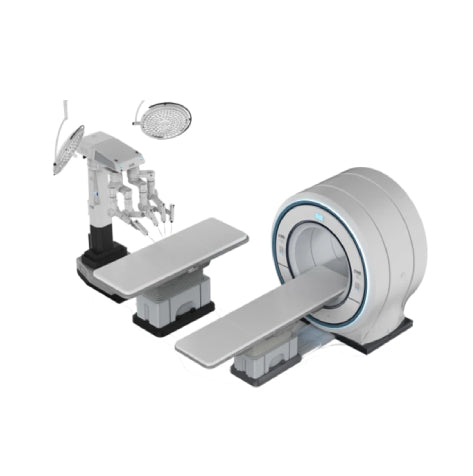
Bring motion, mechanisms, sensing, motor control and safety-related behavior together at the system level.
Explore robotics engineering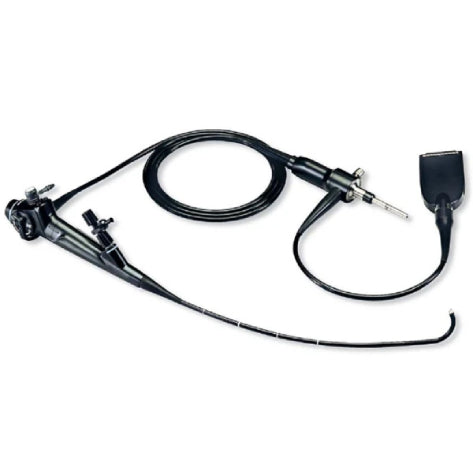
Integrate illumination, imaging sensors, optical paths, alignment, packaging and calibration.
Explore imaging and optics
Develop the power electronics, feedback and embedded control required by compact electromechanical products.
Explore BLDC motor controlVerification planning
Verification is stronger when methods, fixtures, sample needs, acceptance criteria and data handling are planned while the design is still flexible.
The applicable regulatory and standards framework is device- and market-specific and must be established for each program.
Traceability with engineering value
Useful records connect user needs, design inputs, risks, implementation decisions and objective evidence. That trace helps teams review changes, investigate failures and transfer the product without losing design intent.
Read the medical-device development guidePlanning the engagement
The best starting point depends on product maturity, available evidence, internal resources and who owns each development responsibility.
An external team can be useful when the program needs a missing discipline, an independent technical review, focused risk retirement, an integrated prototype or added capacity around a defined work package.
Useful inputs include intended use, users, workflow, known hazards, current requirements, prior prototypes, product constraints, target markets, project responsibilities, schedule and the evidence already available. Incomplete inputs can be turned into a discovery plan.
Yes. A work package can focus on a subsystem, feasibility question, technical review or integration problem. The interface and ownership boundaries should be explicit so the work supports the broader device program.
A feasibility prototype is built to answer selected technical questions and may not represent the final design. Verification units should be sufficiently representative of the controlled design and produced under conditions appropriate to the approved verification plan.
Responsibilities should be defined at the start of the engagement. The applicable regulations, standards, design-control activities and submission needs depend on the device and target market. Engineering documentation should align with the program's established quality and regulatory strategy.
Yes. A focused assessment can review the design baseline, open defects, test evidence, architecture, risks and manufacturing state, then identify the highest-value work package.
Start with the program reality
An initial discussion can identify the technical unknowns, project boundaries and next work package without pretending every program starts at the same stage.