
Physical interfaces
Robot base, reach envelope, tooling, fixtures, part presentation, utilities and access.

Robotics and automation engineering
A robot is one subsystem. Outer Reef helps teams define and integrate the mechanics, end effector, sensing, controls, software, safety functions and verification needed to make the complete machine work.
Define the work before the robot
Reach and payload are only part of the system. The process, part variation, tooling, sensing, human interaction, recovery behavior and production constraints determine the architecture.
Robot selection, safeguarding and validation depend on the application, environment, jurisdiction and responsibilities of the parties involved.
Define the operation, acceptable result, inputs, variation and evidence needed to judge success.
Reach, payload, inertia, path, orientation, velocity, acceleration, precision and cycle-time needs.
Workpiece geometry, tolerance, presentation, end-effector behavior, utilities, wear and changeover.
Vision, force, position, process signals, calibration and inspection criteria that close the loop.
Access, interaction, guarding, contamination, temperature, utilities, maintenance and facility limits.
Production rate, changeover, faults, restart, diagnostics, spare parts, support and lifecycle expectations.
Integrated machine architecture
Reliable automation comes from a clear chain between process intent, machine control, motion, tooling and evidence. Feedback and fault handling must cross the same boundaries.
Safety state · vision · force · position · process sensors · diagnostics · production data
Robot base, reach envelope, tooling, fixtures, part presentation, utilities and access.
Robot controller, PLC, drives, safety controller, networks, I/O and time-critical handshakes.
Tool forces, material behavior, tolerances, recipes, inspection criteria and cycle sequence.
Setup, changeover, maintenance, access, alarms, recovery and the evidence operators need.
Cross-disciplinary robotics engineering
Mechanical, electrical, controls and software work need common requirements, controlled interfaces and an integration plan that exposes risk early.
01
Define the process flow, machine boundaries, interfaces, controls architecture and verification strategy.
02
Develop gripping, process tooling, compliant mechanisms, part nests and changeover concepts around the work.
03
Coordinate frames, structures, guarding, utilities, tolerances, service access and equipment layouts.
04
Integrate panels, power, I/O, networks, sensors, drives, controllers and safety-related control functions.
05
Implement sequences, motion, state handling, recipes, diagnostics, data exchange and recovery behavior.
06
Apply cameras, force, position and process sensing with calibration and uncertainty understood.
07
Develop actuators, motor control, encoders and mechanisms when a standard robot does not fit the motion.
08
Plan acceptance methods, capture evidence and prepare calibration, maintenance and support information.
Choose the right machine architecture
Architecture should follow the task, motion geometry, environment, lifetime and support model instead of forcing every application into the same hardware pattern.
Use an established arm and controller as the motion platform, then engineer the surrounding cell and process.
Build the motion geometry, actuators, sensing and control around the product or process requirements.
Combine an industrial platform with custom axes, tooling, sensing, fixtures and application software.
Integration before installation
The sequence changes by application, but each stage should answer a specific technical question and leave the next team with usable evidence.
Establish inputs, outputs, variation, constraints, acceptance criteria and current evidence.
EvidenceProcess and requirements baseline
Compare machine concepts, motion envelopes, interfaces, layouts, throughput and high-risk assumptions.
EvidenceArchitecture and feasibility evidence
Retire uncertainty in tooling, sensing, motion, material interaction, controls and recovery behavior.
EvidenceRisk-retirement prototypes and data
Build the system in controlled increments, then tune the complete process and operating states.
EvidenceIntegrated machine baseline
Test approved criteria and prepare the calibration, operation, maintenance and support information.
EvidenceAcceptance evidence and transfer package
Robotic systems in context
These existing published assets represent adjacent robotics and motion domains. The architecture, evidence and applicable requirements remain specific to each project.

Integrate the robot, tooling, material flow, guarding, controls and production process.
Explore system-level engineering
Develop actuators, drives, mechanisms, feedback and embedded control around a specific motion problem.
Explore BLDC motor control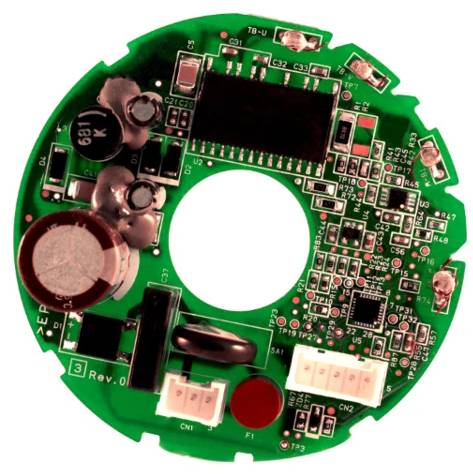
Connect position, force, vision and process measurements to calibration, control and objective evidence.
Explore navigation and sensing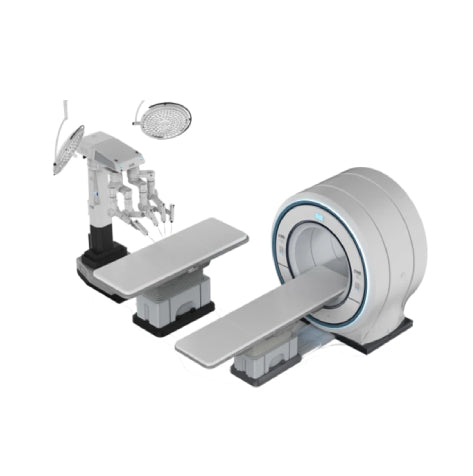
Coordinate motion, mechanisms, sensing, software, risk controls and verification within the device program.
Explore medical-device developmentVerification planning
Verification should cover the process result and the operating states around it, including setup, faults, recovery, maintenance and production variation.
A project-specific risk assessment and applicable safeguarding standards must define the required safety functions and validation activities.
Planning the engagement
The fastest useful start is a clear process description, current equipment list, facility constraints, target output and known failure or recovery cases.
Yes. An assessment can begin with the current robot, controls, tooling, layouts, software and process evidence, then identify the most valuable integration or risk-retirement work package.
Yes. Selected hardware can be treated as an input to the architecture. The team should confirm controller access, interfaces, available documentation, tooling loads, safety state, support model and responsibility boundaries before committing to the surrounding design.
A custom mechanism may be appropriate when the application has unusual motion geometry, packaging, precision, force, environment or product-integration constraints. The development, verification and support burden should be compared with a standard platform before deciding.
Responsibilities should be explicit at the start. The machine, process, facility, operating modes and human interaction determine the required risk assessment, protective measures, safety functions and validation activities.
Yes. A focused work package can address an end effector, fixture, motion axis, controls architecture, sensing problem, software behavior or verification method. The surrounding interfaces and ownership boundaries still need to be clear.
Useful inputs include a process description, target output, part or material variation, existing equipment, layouts, cycle expectations, operating modes, known faults, facility constraints, current risk work and available test data.
Start with the process reality
An initial discussion can identify the technical unknowns, system boundaries and evidence needed before selecting equipment or committing to an integration path.